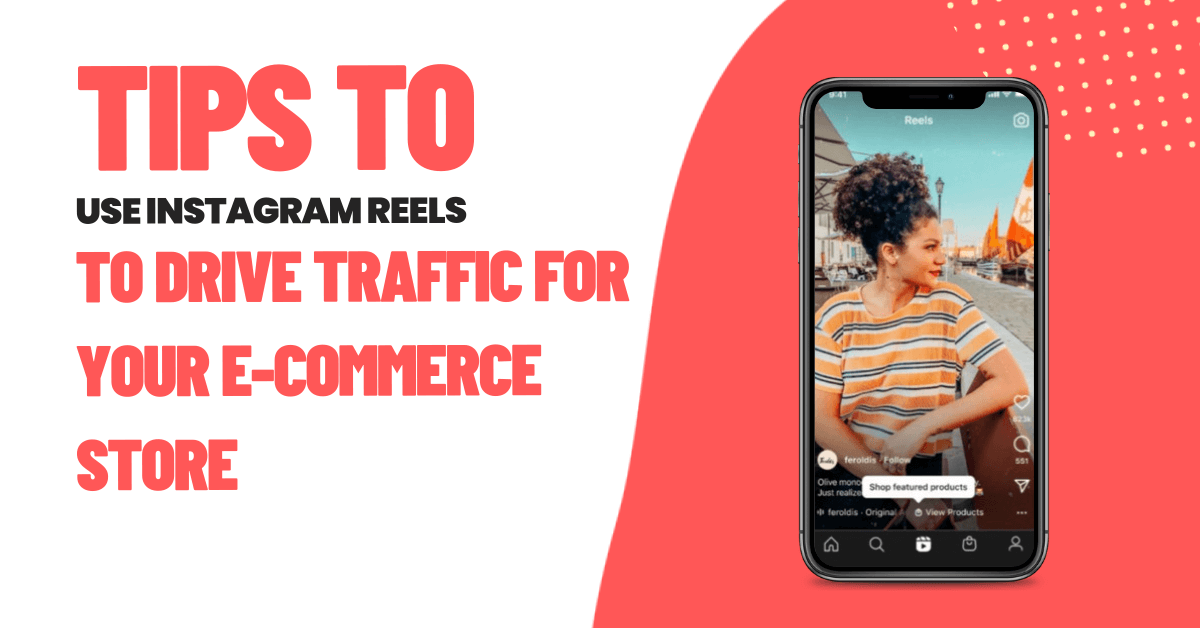
In today’s fast-paced world, people are more likely to prefer to watch short-form video content. As of now, Instagram Reels is a quickly growing type of content that is gaining more user traction. The studies revealed that 2 billion active monthly users interact with Reels content. It helps e-Commerce brands engage potential audiences and turn visitors into their customers.
If you are an e-Commerce brand, taking advantage of Instagram Reels is wise. But it is crucial to engage them more creatively where unique content will perform better. To engage wider audiences, buy instagram reels likes and ensure an excellent reach. It will powerfully grow your audience and eventually convert them into paying customers.
Let’s kickstart this article!
#1 Share Quick Tips & Tricks
Do you want to improve your engagement rate on Instagram? Then, sharing informative content that is fun to watch is the best idea. For instance, if you are an apparel store, creating videos about how to style clothes in different ways, how to match the accessories, and more will engage your audience. Moreover, it will help your viewers to spread the brand’s name and make it go viral. The best thing is that sharing quick tips will make customers interested in purchasing your products.
#2 Sharing How-to Videos
Each day, a new style evolves, and educating your audience by creating and sharing how-to videos is great. When customers plan to purchase a product, they will always search for how to use it and utilize it in the best way. Remember, every product shares how-to videos to make customers purchase the product. Moreover, to expand your marketing capability, use SocialDice and make it go viral. Being an eCommerce store, try to create how-to videos in a creative way to influence your viewers to purchase the brand.
#3 Make Customers Familiar with Your Products
Do you want to make your customers familiar with your products? Then, convey to them your product details. It means to tell people about your product’s features, performance, and benefits. Sharing how to use your product and its benefits will help your audience know your brand’s value. In this way, you can let your customers see your products’ worth from your point of view. Focusing on this strategy helps clarify the user’s queries, and with a detailed view, they make a clear purchasing decision.
#4 Share Behind-the-Scenes
Without any effort, your eCommerce store hasn’t evolved. Behind your store, there is a story. However, letting your customers know your working process will create a sense of trust and make them believe that your product is worth buying. Using Instagram Reels, you can showcase your brand’s personality and inspire more customers. So, using Instagram Reels take your customers behind the scenes and make sense of transparency. It will result in incredibly growing your audience base.
#5 Tease Your Product
If you are thinking about launching a new product, then to create a buzz about it, make sure to tease it. Revealing what’s coming soon will create viewers’ interest in your product, and they will stay engaged with it. The best way to tease the product is to improve the conversation about the product and help more users get deep insights. Many users always buy instagram reels views where the trick influences your viewers to follow your page.
#6 Emphasize User Generated Content
You already know that user-generated content is one of the best resources to create a strong impact on your business among users. With the ease of use, there is no need to make Reels content from scratch. Instead, try to share user-generated content to showcase your products to prospective customers. Keep in mind that UGC builds your brand’s credibility that even the most highly visualizing content can’t. So make Reels with user-generated content and more effectively utilize the in-app editing tools to make your content more attractive. It will get your brand’s content in front of a massive audience and improve organic visibility.
Final Verdict
If you are ready to grow your eCommerce store, uniquely present your content and steadily enhance your popularity. So, to drive more organic traffic, use the above tips and tricks and establish strong relationships with potential customers. As a result, you can creatively showcase your product, build a community and boost your sales.